22 Sep 2026
Regional Patterns Linking No-Deposit Incentives to Banking Preferences in High-Volatility Slot Environments
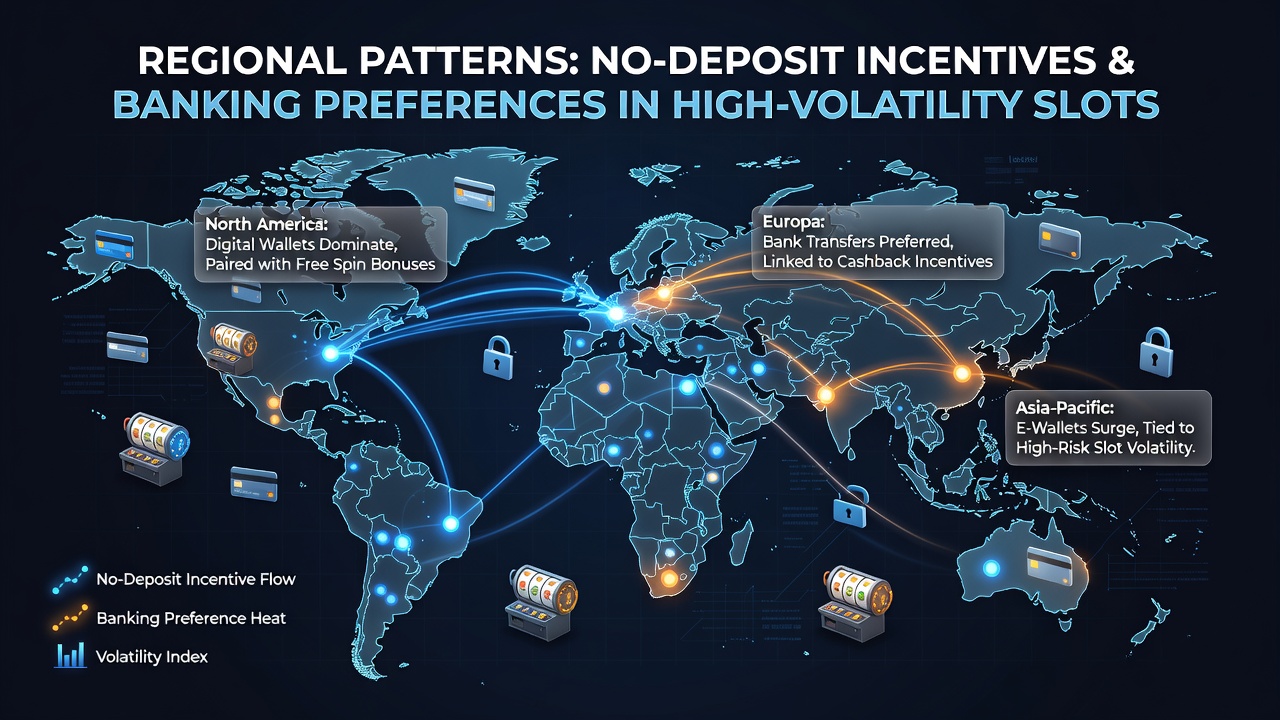
Regional patterns in no-deposit incentives reveal distinct connections to banking preferences within high-volatility slot environments, and these connections shift based on local regulations, player demographics, and available payment infrastructure. Observers note that players often select banking methods that align with the structure of incentive offers, especially when games feature elevated risk profiles and potential for substantial payouts.
Core Elements of No-Deposit Incentives
No-deposit incentives function as entry points that allow participation without initial funding, yet they tie directly to specific banking options for withdrawals and verification. Researchers at academic institutions have tracked how these offers influence payment selection in markets where high-volatility slots dominate floor space and online catalogs. Data indicates that certain regions show stronger correlations between incentive types and electronic wallet usage, while others lean toward traditional bank transfers when volatility increases bet sizes.
North American Trends
In North American jurisdictions, patterns emerge around credit and debit card preferences when no-deposit offers require identity verification. The American Gaming Association has documented that operators in regulated states report higher card-based transactions during promotional periods focused on volatile slot titles. Players in these areas frequently combine incentive claims with card funding for seamless transitions into higher-stake sessions, and September 2026 regulatory updates further clarified reporting requirements that highlighted these linkages.
Canadian provinces present a contrasting picture where prepaid card and e-wallet adoption rises alongside no-deposit structures. Studies from the Responsible Gambling Council indicate that high-volatility environments prompt quicker shifts to methods supporting instant transfers, reducing friction during rapid play cycles. Those who examined transaction logs across multiple operators found that banking preferences stabilize around options minimizing processing delays in these settings.
European and Asia-Pacific Variations
European markets demonstrate preferences for bank transfers when no-deposit incentives include wagering conditions tied to high-volatility slots. Reports from the Malta Gaming Authority show that players in southern regions favor methods offering detailed transaction records, which align with compliance needs in volatile gaming sessions. Meanwhile, northern markets exhibit greater integration of mobile payment solutions that sync with incentive redemption flows.
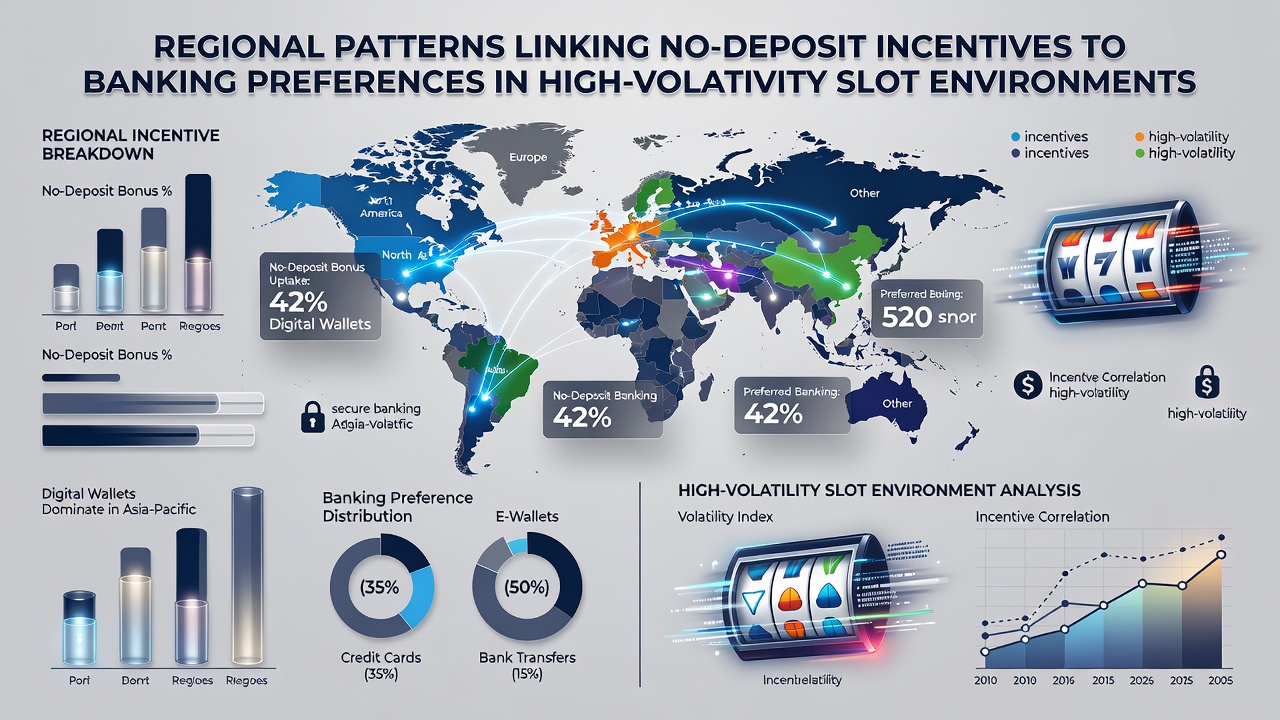
Asia-Pacific operators report elevated use of digital wallets in markets where no-deposit promotions target high-volatility games. Figures from the Australian Gambling Research Centre reveal that players in Australia and New Zealand often select wallet services compatible with local banking networks, particularly when incentive terms encourage extended play on volatile titles. This alignment reduces barriers during peak volatility periods and supports sustained engagement without repeated funding steps.
Payment Infrastructure Influences
Banking infrastructure shapes these regional patterns because high-volatility slots demand reliable, fast settlement for both deposits and withdrawals. Experts have observed that regions with mature instant-payment systems show tighter integration between no-deposit offers and preferred banking channels. In contrast, areas reliant on slower verification processes display more varied banking selections as players adapt to incentive constraints.
Transaction data collected through industry associations further illustrates how volatility levels correlate with banking method stability. High-volatility environments tend to concentrate activity around methods that handle larger single transactions efficiently, and this concentration strengthens when no-deposit incentives lower entry thresholds.
Conclusion
Regional patterns continue to evolve as operators refine no-deposit structures around banking preferences and volatility profiles. Evidence from multiple regulatory and research bodies demonstrates consistent linkages across North America, Europe, and Asia-Pacific markets, with September 2026 reports providing updated benchmarks for future analysis. These connections underscore how local infrastructure and incentive design jointly influence player choices in high-volatility slot settings.